

How to Relieve Tired Eyes: A Daily Eye Care Routine
Last Updated: November 19, 2026
Quick Summary
Tired eyes usually come from too much screen time, dry air, and poor sleep. Relief starts with short screen breaks, regular blinking, and cool compresses, and a daily routine built around these habits helps most people.
- Use the 20-20-20 rule: every 20 minutes, look at something about 20 feet away for 20 seconds.
- Chill a clean washcloth in the refrigerator, not the freezer, and rest it on closed eyes for a few minutes.
- Blink fully five times slowly whenever eyes feel gritty or heavy.
- Preservative-free artificial tears are generally preferred for frequent use, up to three times a day per UHealth.
- See an eye doctor if eye pain, vision changes, or redness lasting more than a few days occurs.
Table of Contents
- What Causes Tired Eyes and Eye Fatigue
- How to Relieve Tired Eyes Naturally at Home
- Step 1: Build a Morning Eye Care Routine
- Step 2: Protect Your Eyes During the Day with Screen Breaks
- Home Remedy for Tired Eyes and Dark Circles
- How to Relieve Tired Eyes from Lack of Sleep
- Choosing Eye Drops and When to See an Eye Doctor
- Setting Up Your Evening Routine and Tracking Results
- Frequently Asked Questions
What Causes Tired Eyes and Eye Fatigue
Tired eyes usually come from too much screen time, dry air, and poor sleep. A review of digital eye strain in PubMed Central describes visual fatigue as increasingly common, yet it still lacks universal definitions and standardized diagnostic criteria, so symptoms can vary from person to person. Consensus article on diagnostic criteria, clinical symptoms, and risk factors
Most people don't realize how much they blink while looking at a screen. Blinking drops, so eyes dry out and feel heavy. Many adults also report eye fatigue after screen use. The Vision Council research on eye strain symptoms
Common signs include:
- Burning, itching, or dry eyes
- Puffy lids and dark circles
- Blurred vision late in the day
- Headaches after long screen sessions
- Trouble focusing after reading
How to Relieve Tired Eyes Naturally at Home
Most tired eyes respond well to simple habits you can do at home. The key is matching the remedy to the cause: cooling helps puffiness and that heavy feeling, lubrication helps dryness and burning, and breaks help the strain that builds during screen work. These steps cost little and take only a few minutes a day.
The review of digital eye strain management recommends ergonomic changes, shorter daily screen time, frequent blinking, better lighting, and less glare. Digital Eye Strain: A Comprehensive Review Pick two or three habits and stick with them for a week before judging results.
Cold compresses and cooling remedies
A cool, damp cloth laid over closed eyes for a few minutes can ease puffiness and that heavy, tired feeling. Chill a clean washcloth in the refrigerator, not the freezer, and rest it gently over your lids. Cooling eye masks work the same way and are easy to keep in a drawer.
Watch out: Never apply ice directly to the eyelids or leave a cold pack on for more than about 10 minutes at a time; the skin around the eyes is thin and can be damaged by extreme cold.
Lubrication and blinking
Dryness is one of the most common reasons eyes feel tired by late afternoon. Blinking spreads the tear film across the eye, and people blink far less often when reading or looking at a screen. Artificial tears can bridge the gap when blinking alone is not enough. Preservative-free artificial tears are the usual choice for frequent use, and many practitioners suggest using them up to three times a day when symptoms flare. UHealth Collective eye-care tips for 2026
A simple habit: every time you notice your eyes feel gritty or heavy, blink fully five times slowly, then look at something far away for 20 seconds. This resets both the tear film and the focusing muscle.
Evidence and safety of popular home remedies
Some home remedies are better supported than others. Cool compresses and regular blinking have clear, low-risk benefits. Eye yoga and eye exercises are popular, but the research is limited and they should not replace breaks or an exam if symptoms persist.
Watch out: Never put anything that has not been cleaned, or anything that stings, near your eyes. Skip home remedies entirely if you wear contact lenses until you have removed them, and stop using any remedy that causes irritation, redness, or blurred vision.
Step 1: Build a Morning Eye Care Routine
A simple morning routine starts your day with hydrated, refreshed eyes. Keep it to about five minutes so you will actually stick with it.
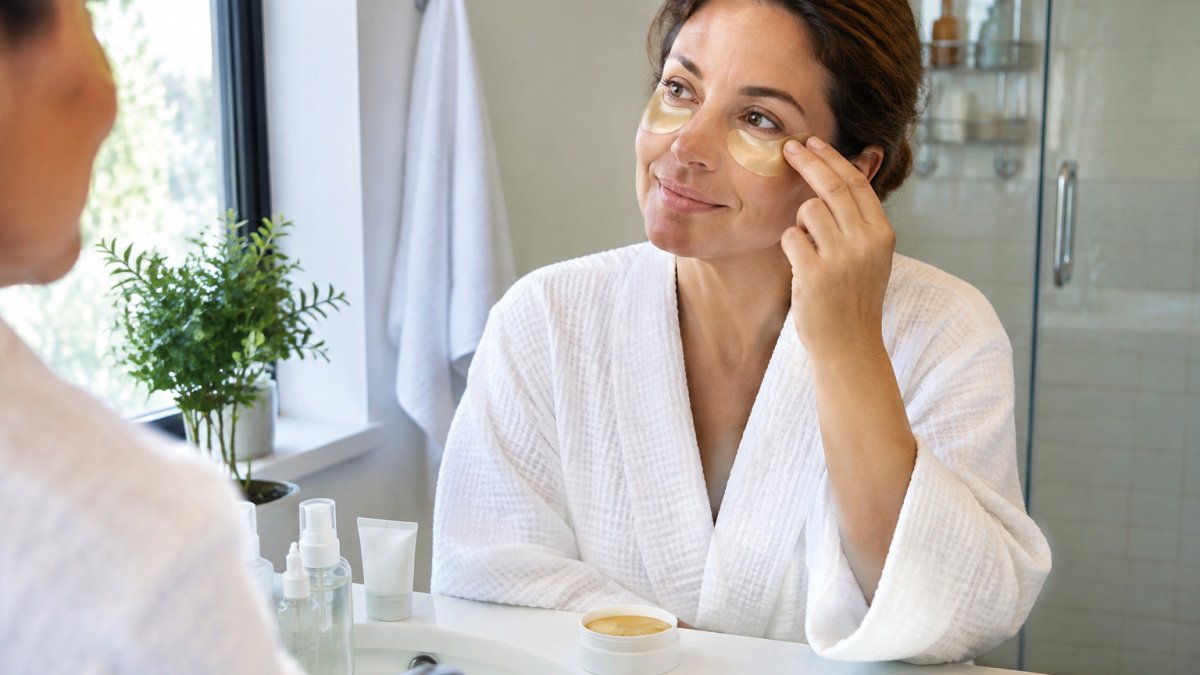
- Splash with lukewarm water to wake up the skin around your eyes.
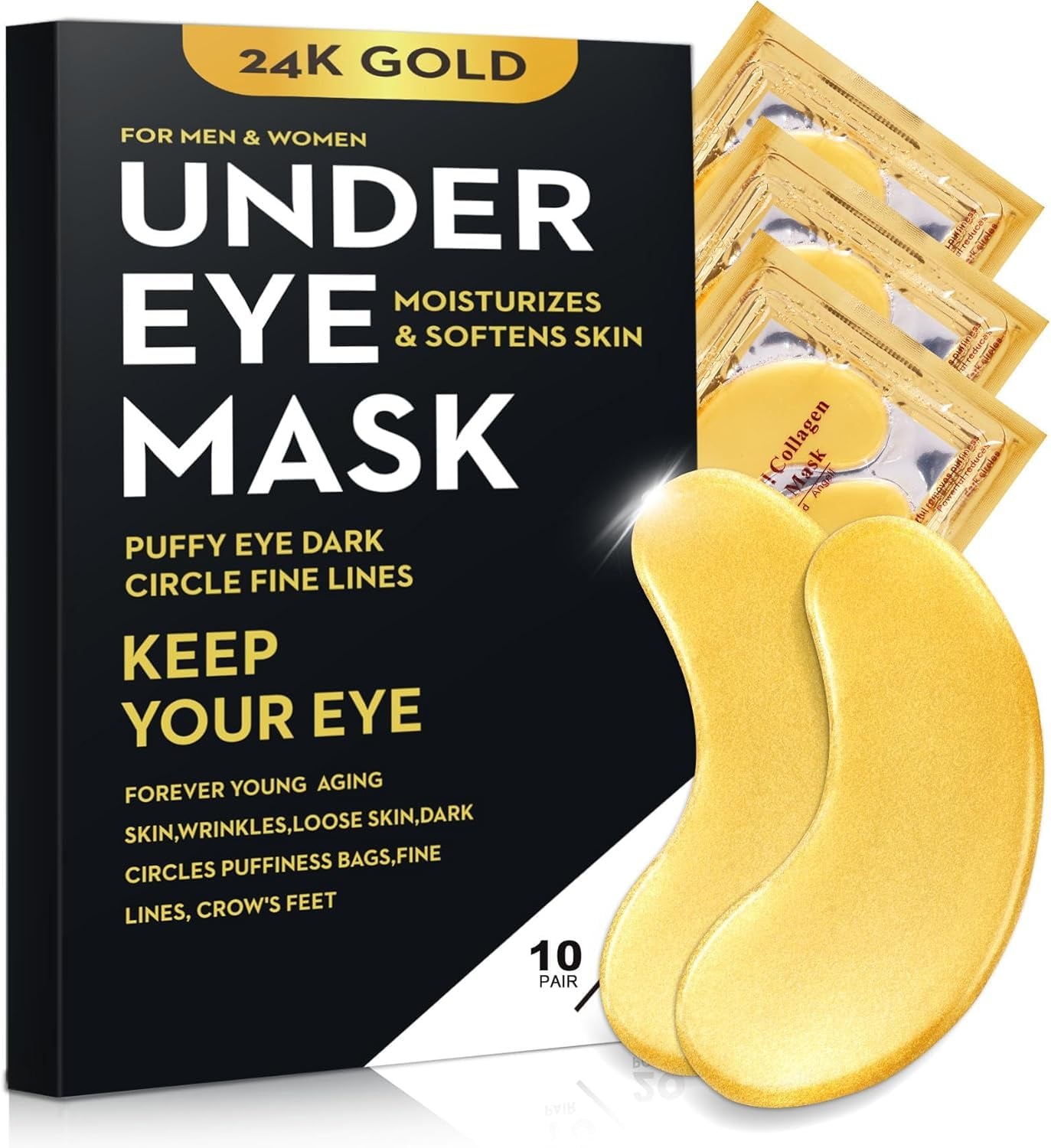
- Apply a cooling under-eye patch for 10 to 15 minutes while you get ready. Our Sourir 24K Gold Eye Patches feel cool and comfortable on the delicate under-eye area.
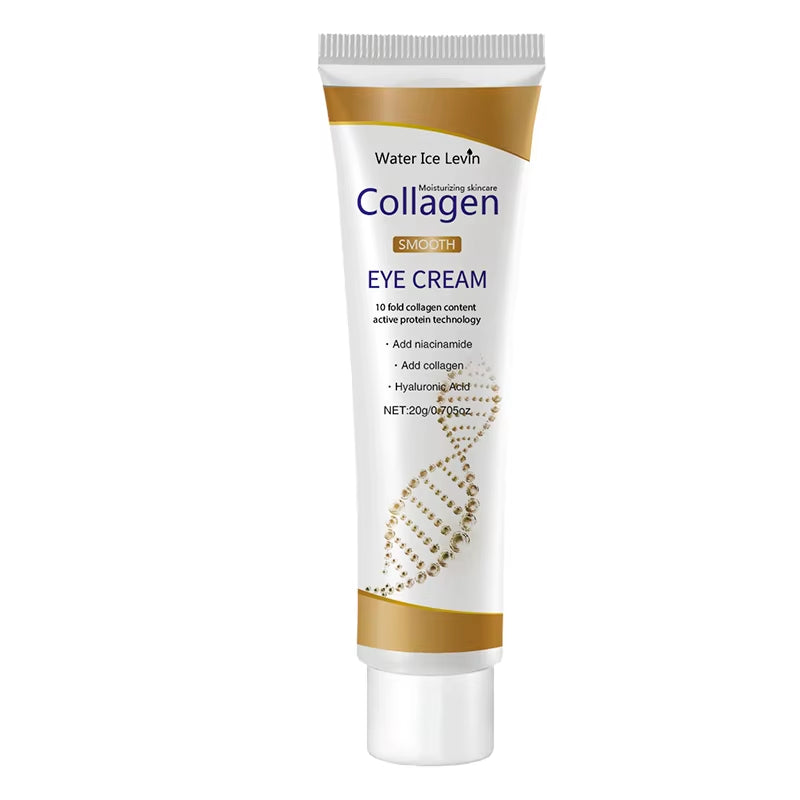
- Smooth on a lightweight eye cream with your ring finger, tapping gently. Our collagen eye cream is lightweight and easy to apply.
- Finish with sunscreen on the eye area, since sun exposure can make tired-looking skin look worse over time.
Step 2: Protect Your Eyes During the Day with Screen Breaks
Screens are the biggest daily strain for most people. Short, regular breaks do more than one long rest. The 20-20-20 rule is an easy way to start. Every 20 minutes, look at something about 20 feet away for at least 20 seconds. Mayo Clinic guidance on digital eye strain
Other daily habits that help:
- Blink fully and often while reading or typing
- Position your screen slightly below eye level
- Match screen brightness to the room
- Reduce glare with better lighting or an anti-glare setting
- Keep the air moist with a humidifier if your home is dry
Short, regular screen breaks are the simplest way to ease daily eye strain, and the key steps are summarised below.
| Habit | How often | Why it helps |
|---|---|---|
| 20-20-20 rule: look at something about 20 feet away | Every 20 minutes | Relaxes the focusing muscle |
| Look away for at least 20 seconds | Each break | Gives eyes a rest from close focus |
| Blink fully and often while reading or typing | Throughout the day | Spreads the tear film and prevents dryness |
| Position screen slightly below eye level | Set once | Reduces strain on the eyes |
| Match screen brightness to the room | Adjust as needed | Reduces glare and contrast strain |
| Keep the air moist with a humidifier | When home is dry | Helps prevent dry eyes |
Home Remedy for Tired Eyes and Dark Circles
Dark circles and puffiness often have several causes, including fluid buildup, thin skin, and tiredness. A cold compress and a hydrating eye cream can help the area look brighter. These are cosmetic steps. They do not treat a medical condition.
For a quick at-home routine, try this:
- Chill two spoons or a clean cloth for 5 minutes.
- Lie back and rest them on closed eyes for 5 to 10 minutes.
- Follow with a 24K gold eye mask or collagen eye cream for a cooling, hydrating step.
Results vary from person to person, so give any routine a few weeks before judging it.
How to Relieve Tired Eyes from Lack of Sleep
Lack of sleep is one of the fastest ways to make eyes look and feel tired. Fluid collects overnight, blood vessels show more, and the skin looks thinner. A better sleep schedule matters more than any product. Aim for a consistent bedtime and wake time.
Simple steps that help after a short night:
- Drink a glass of water when you wake up
- Use a cool compress for 10 minutes
- Keep your head slightly raised while sleeping to limit morning puffiness
- Avoid screens in the last hour before bed
Choosing Eye Drops and When to See an Eye Doctor
Not every tired-looking eye is a skincare problem. It helps to separate cosmetic tiredness from symptoms that point to eye strain or dry eye, because the care is different.
- Cosmetic tiredness: puffiness, dark circles, and a dull look after a short night. These usually respond to cooling, hydration, sleep, and gentle eye-area care.
- Eye strain: burning, aching, or a heavy feeling after screen work, sometimes with a mild headache or blurred vision late in the day. Breaks, blinking, and ergonomic changes are the first line.
- Dry eye: gritty, stinging, or sandy sensations, redness, and a feeling that something is in the eye. Artificial tears and lubrication help, but persistent dryness deserves an exam.
Choosing eye drops
Artificial tears are the common choice for dryness and irritation from long screen time. Preservative-free artificial tears are generally preferred when you use drops more than a few times a day, because preservatives can irritate eyes that are already sensitive. The UHealth Collective at the University of Miami Health System recommends preservative-free artificial tears up to three times a day. UHealth Collective eye-care tips for 2026
Watch out:
When to seek professional care
See an eye doctor if you have:
- Eye pain that does not go away
- Sudden changes in vision, or blurring that does not clear with blinking
- Redness that lasts more than a few days
- Discharge, swelling, or light sensitivity
- A feeling that something is stuck in the eye
- Symptoms that keep returning after a month of consistent home care
Cosmetic products cannot treat these symptoms. A professional exam can rule out conditions that a routine cannot fix, and it is the right step when tired eyes do not improve with rest, breaks, and lubrication.
Setting Up Your Evening Routine and Tracking Results
An evening routine helps your eyes recover. Remove makeup gently with a mild remover, cleanse, and apply a hydrating eye cream. Lie down with a cool compress for a few minutes to end the day. If you wear a 24K gold eye mask, tuck it into your evening steps while you wind down.
To track results, take a photo in the same light each week and note how rested you feel. Look for gradual changes in puffiness, dryness, and screen fatigue. If nothing improves after a month of consistent habits, talk with an eye doctor.
For a fuller plan, read how to treat the aging eye area or check how long eye mask results take.
Ready to build your routine? Shop our eye care collection for hydrating patches and eye creams that fit into your morning and evening steps. Start with the basics, stay consistent, and give your eyes the care they deserve.
Frequently Asked Questions
What is the best thing to do for tired eyes?
For most tired eyes, the most effective first step is to rest them and rehydrate the area. Close your eyes for 10 to 15 minutes, apply a cool compress, and use preservative-free artificial tears if your eyes feel dry. The University of Miami Health System recommends preservative-free artificial tears up to three times a day. Follow the 20-20-20 rule during screen use, looking at something 20 feet away for 20 seconds every 20 minutes, to reduce strain. If tired eyes persist for more than a few days, or come with pain, blurred vision or light sensitivity, see an eye doctor.
What is the main cause of eye fatigue?
Eye fatigue most often comes from prolonged close-up focus, especially screen use. A review in PubMed Central describes digital eye strain as a common outcome of extended screen time, and it lists ergonomic practices, reducing daily screen time, frequent blinking, better lighting and less glare as management options. Dry air, poor sleep and uncorrected vision can contribute. A consensus article notes that visual fatigue is increasingly prevalent but that standardized diagnostic criteria are still lacking, so persistent symptoms deserve a professional exam.
What eye drops are best for tired eyes?
Preservative-free artificial tears are the usual choice for tired, dry or irritated eyes. Preservative-free formulas are generally preferred for frequent use because they irritate the eyes less. Avoid redness-relief drops for daily use, since they can cause rebound redness with regular use. If you use contact lenses, check with your eye doctor before using any drops, and see a clinician if symptoms do not improve.
When should tired eyes be checked by an eye doctor?
See an eye doctor if tired eyes last more than a few days, if you have ongoing headaches, blurred vision, double vision, eye pain, light sensitivity or frequent eye strain even with breaks. These symptoms can signal uncorrected vision, dry eye disease or another condition that cosmetic care will not fix. An exam can also check whether your current glasses or contact prescription still fits your needs, which is a common cause of eye fatigue.
