

How to Choose the Right Collagen Facial Serum
Quick Summary
Choose a collagen facial serum by checking the ingredient list rather than the front-of-pack claims. Look for humectants such as hyaluronic acid and glycerin, peptides, and a short, fragrance-free formula that suits your skin type. Expect surface-level hydration and smoothness rather than deep structural change.
- Scan the first five to seven ingredients, since they make up most of the formula.
- Hyaluronic acid, glycerin and sodium hyaluronate are reliable hydrating ingredients.
- Fragrance and essential oils are common irritants, so choose fragrance-free if skin is sensitive.
- Patch test on the inner forearm or jawline for a few days before full-face use.
- Give any serum at least eight to twelve weeks of consistent use before judging results.
Table of Contents
- What a Collagen Facial Serum Can and Cannot Do
- Collagen-Supporting Ingredients to Look for on the Label
- Matching a Serum to Your Skin Type and Sensitivity
- Serum Versus Cream: Texture, Finish, and Absorption
- How to Use a Collagen Serum Without Irritation
- Picking a Best Collagen Serum for Face Use Based on Your Goals
- Choosing a Serum for Sagging Skin and Setting Realistic Timelines
- Booking Your Next Step: Trying a Hyaluronic Acid and Collagen Serum
- Frequently Asked Questions
What a Collagen Facial Serum Can and Cannot Do
A collagen facial serum is a concentrated topical product that is applied to the skin, usually in small amounts under moisturizer. Most serums are lightweight, fast-absorbing, and designed to deliver active ingredients to the skin's surface. Before you buy one, it helps to know what the product can realistically do.
A 2024 review describes facial serums as concentrated cosmetic preparations containing higher doses of active substances than typical creams (Use of Collagen in Cosmetic Products, PubMed Central). That concentration is the main appeal. It does not, however, mean the serum rebuilds collagen in your skin.
Here is the honest picture. Much of the clinical collagen research covers oral supplements or treatments applied in clinical settings, not topical facial serums. A 2022 study of a hydrolyzed collagen supplement looked at skin moisturization and elasticity, but it tested a supplement you swallow, not a serum you apply (Evaluation of the Efficacy of a Hydrolyzed Collagen Supplement, Journal of Clinical and Aesthetic Dermatology). Results from that study should not be assumed for a topical product.
A collagen serum can help with surface-level concerns, such as hydration and the look of smoothness. It is less likely to deliver deep structural change. Keep your expectations in that range and you will judge your purchase fairly.
Collagen-Supporting Ingredients to Look for on the Label
Reading the ingredient list tells you more than the marketing on the front. Ingredients are listed in descending order of concentration until the 1% mark, after which order is no longer a reliable guide to amount. A practical approach is to scan the first five to seven ingredients, since they usually make up most of the formula, then check the rest of the list for beneficial actives and potential irritants.
Collagen itself is a large protein molecule, so many formulas use smaller peptides or hydrolyzed collagen instead. Neither form is absorbed intact into the deeper skin layers in a way that rebuilds structural collagen. Instead, think of the collagen component as a conditioning and hydrating ingredient, while peptides and other actives are included to support the skin's own collagen-related processes. That distinction matters when you compare labels.
Use this checklist when you evaluate a collagen serum:
- Collagen type and form: Look for "hydrolyzed collagen," "collagen peptides," or a named peptide such as palmitoyl tripeptide-1 or palmitoyl tetrapeptide-7. These are common in cosmetic formulas. The label may not state the collagen source (bovine, marine, or porcine), and source is less important than the overall formula.
- Peptide ingredients: Peptides are short chains of amino acids used to support the skin's own collagen-related processes. They are often listed with "peptide" in the name. A formula that pairs collagen with peptides is generally more thoughtfully built than one that lists collagen alone.
- Humectants: Hyaluronic acid, glycerin, and sodium hyaluronate draw water to the skin's surface and support hydration. These are well-supported, low-risk ingredients and are usually the most reliable benefit in a collagen serum.
- Barrier-supporting lipids: Ceramides, cholesterol, and fatty alcohols help the skin barrier hold moisture. They are especially useful in formulas for dry or mature skin.
- Niacinamide: Often included to support a smoother-looking texture and barrier comfort. It is generally well tolerated, though some people with sensitive skin notice flushing at higher concentrations.
- Fragrance and essential oils: Fragrance, parfum, and essential oils such as lavender or citrus peel oil are common irritants. If your skin reacts easily, choose a fragrance-free formula and check the label for these terms.
- Potentially irritating actives: Some collagen serums include exfoliating acids, retinol, or high concentrations of vitamin C. These can be useful but raise the risk of irritation, especially when layered with other actives. Note them so you can introduce the product slowly.
Watch out: A long list of botanical extracts can look impressive but may add scent and irritation risk without a clear benefit. A shorter, simpler list is often the better choice for sensitive skin.
Finally, compare the label to the front-of-pack claims. If the front label emphasizes collagen but the ingredient list shows collagen after fragrance and preservatives, the collagen is likely present in a small amount. That does not make the serum useless, but it should adjust your expectations toward hydration and surface conditioning rather than structural change.
Matching a Serum to Your Skin Type and Sensitivity
Your skin type should guide the formula you choose, but formulation matters as much as the skin-type label. Two serums marketed for dry skin can feel completely different, and the ingredient list and texture tell you more than the front of the package.
Use these patterns as a starting point:
- Dry and mature skin: Look for richer humectants and emollients, such as glycerin, hyaluronic acid, ceramides, and squalane. A slightly thicker serum or one layered under a cream often feels more comfortable than a watery gel.
- Oily and combination skin: Lighter gel-style serums absorb quickly and sit well under sunscreen. Look for humectants without heavy oils, and check that the formula does not list comedogenic oils high in the ingredient list if you are prone to clogged pores.
- Sensitive and easily irritated skin: Choose a fragrance-free formula with a shorter ingredient list. Avoid essential oils, drying alcohols, and exfoliating acids unless a clinician has guided you. Patch test before full-face use.
- Acne-prone skin: Look for non-comedogenic labeling and lightweight textures. Niacinamide can be helpful, but avoid formulas that combine multiple exfoliating acids with collagen peptides if your skin is already reactive.
Patch testing is the fastest way to protect yourself. Apply a small amount to the inner forearm or jawline for a few days before using it on your whole face. Stop use if you notice stinging, persistent redness, or itching.
Fragrance is a common irritant for sensitive skin. Choose a fragrance-free formula if your skin reacts easily, and check the label for essential oils, which can also cause irritation.
Watch out: A serum that feels fine on its own can still cause irritation when layered with a retinoid, an exfoliating acid, or a high-concentration vitamin C. Introduce one new product at a time and wait at least a week before adding another active.
When you are comparing two formulas, read the full ingredient list rather than relying on the skin-type claim. A fragrance-free, lightweight serum with a clear humectant and peptide profile is a reasonable default for most skin types, and you can adjust texture and richness from there based on how your skin feels over the first few weeks.
Serum Versus Cream: Texture, Finish, and Absorption
Serums are thinner and absorb quickly, so they work well under a moisturizer. Creams are thicker and leave a more occlusive finish, which many people prefer for overnight use or very dry skin.
If you have oily skin or live in a humid climate, a serum may be enough for daytime. If your skin feels tight by evening, layer a cream on top. The right format depends on how your skin feels, not on which one sounds more advanced.
The two formats differ mainly in texture, finish and how quickly they absorb, as summarised below.
| Format | Texture and absorption | Best for |
|---|---|---|
| Serum | Thinner, absorbs quickly | Layering under a moisturizer |
| Cream | Thicker, occlusive finish | Overnight use or very dry skin |
| Serum alone | Often enough for daytime | Oily skin or humid climates |
| Serum plus cream | Cream added if skin feels tight | Skin that feels tight by evening |
How to Use a Collagen Serum Without Irritation
Apply serum to clean, slightly damp skin, using a few drops. Press it in gently with your fingertips rather than rubbing. Wait about a minute before applying moisturizer.
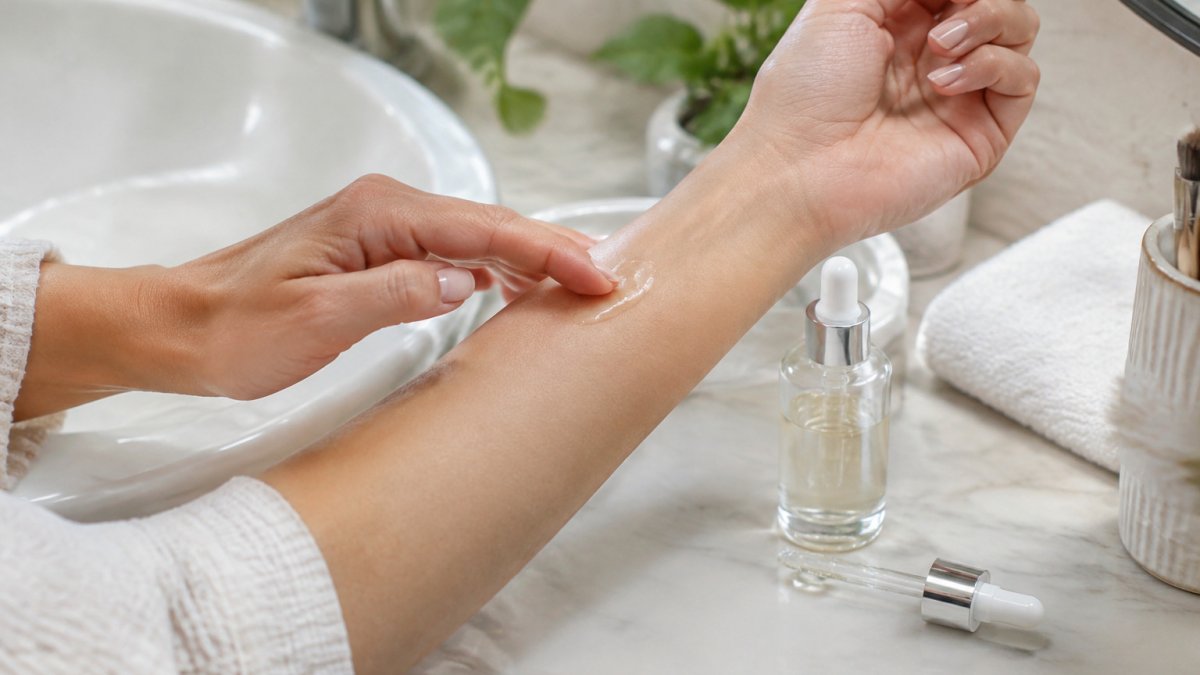
Introduce it slowly. Use it every other day for the first week, then move to daily use if your skin tolerates it. Pair it with gentle cleansers and avoid stacking it with strong exfoliants on the same night.
Consistent use matters more than heavy use. Many people look for changes over several weeks, not days. If irritation continues, stop using the product and speak with a dermatologist.
Picking a Best Collagen Serum for Face Use Based on Your Goals
Start with your goal. If you want hydration, prioritize humectants like hyaluronic acid and glycerin. If you want a smoother-looking surface, look for peptide-containing formulas. If you have sensitive skin, choose the shortest ingredient list you can find.
Compare price to the amount you get and how often you will use it.
Choosing a Serum for Sagging Skin and Setting Realistic Timelines
Sagging skin is driven largely by factors a topical serum cannot reverse, including age, sun exposure, and changes in skin structure. For a fuller look at treating the aging eye area, including what to realistically expect, see our complete guide. A serum may help the surface look more hydrated, which can make skin look smoother.
Give any serum at least eight to twelve weeks of consistent use before judging it. If you see no change after that, reconsider the formula or talk with a dermatologist about options that go beyond skincare.
Booking Your Next Step: Trying a Hyaluronic Acid and Collagen Serum
If you want a hydrating option built around hyaluronic acid and collagen, our Hyaluronic Acid + Collagen Wrinkle-Reducing Facial Serum 💧✨ is a lightweight place to start. Use it as a daily hydration step and watch how your skin responds over the coming weeks.
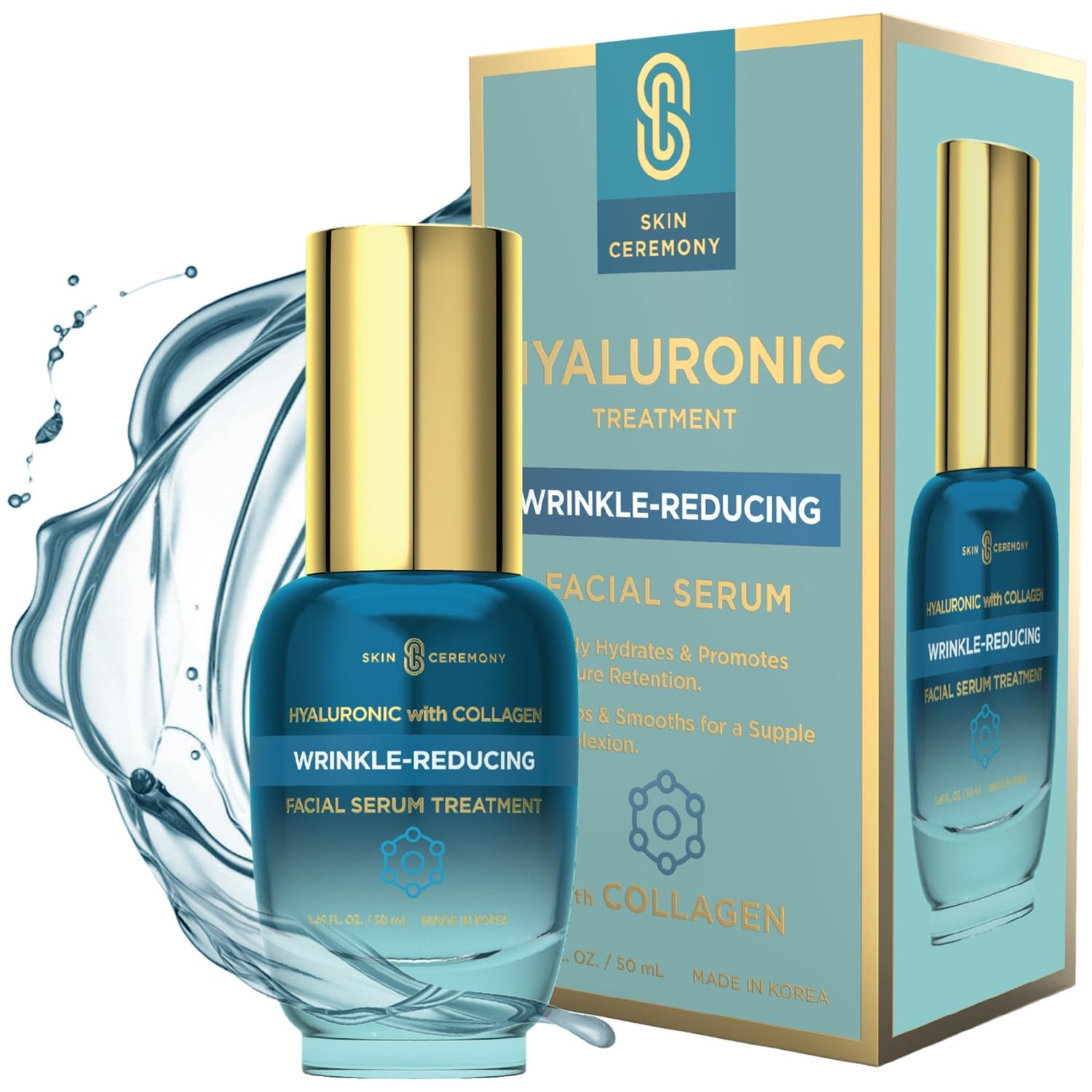
Before you commit, read the full product details and patch test first. Keep your expectations realistic, give it time, and adjust your routine based on how your skin actually feels.
Frequently Asked Questions
Do collagen face serums actually work?
Evidence is limited. Most cited collagen research concerns oral hydrolyzed collagen supplements or collagen treatment in general, not topical facial serums. A serum can improve the look of hydration and smoothness, but it should not be treated as a proven way to rebuild collagen in the skin. Judge any serum by its ingredients, its tolerability on your skin and whether your skin looks better after consistent use over several weeks.
How often should I use a collagen facial serum?
Most labels suggest applying a serum once or twice daily to clean, slightly damp skin, before your moisturizer and sunscreen. Start with once daily for the first week or two to check tolerance. If your skin stays calm, you can move to twice daily. Always follow the directions on your specific product, and stop if you notice stinging, redness or itching.
How long does it take to see results from a collagen serum?
Results vary and no timeframe is guaranteed. Many people give a serum about 8 to 12 weeks of consistent use before judging whether hydration, texture or the look of fine lines has changed. If you see no difference after that period, or if irritation develops, consider switching formulas or speaking with a dermatologist.
What ingredients should I look for in a collagen facial serum?
Look for collagen-supporting ingredients such as peptides and humectants like hyaluronic acid, which help attract and hold moisture in the skin. Check the ingredient list rather than front-label claims, and note where the ingredients sit in the list. If you have sensitive skin, avoid formulas with added fragrance or essential oils that may cause irritation, and patch test any new serum first.
