

Best Foot Care for Cracked Heels: 2026 Guide
Table of Contents
- Why Cracked Heels Happen (and Why Most Creams Fail)
- Best Foot Care for Cracked Heels: Quick Comparison
- 1. O'Keeffe's Healthy Feet Foot Cream: Deep Repair for Severe Cracks
- 2. Tea Tree Foot Cream: Cooling Relief for Daily Maintenance
- 3. Organic Castor Oil: A Natural Seal for Dry, Split Skin
- Best Ingredients for Cracked Heel Cream (and What to Avoid)
- How to Fix Dry Cracked Heels Fast: A 7-Day Protocol
- Podiatrist Recommended Foot Care Routine for Long-Term Prevention
- Frequently Asked Questions
Last Updated: September 29, 2026
Why Cracked Heels Happen (and Why Most Creams Fail)
Cracked heels develop when the skin's outer layer loses moisture faster than it can replace it, and the resulting stiffness splits under the weight of every step. The heel carries the most pressure of any part of the foot, so the fissures deepen exactly where you need the skin to flex.
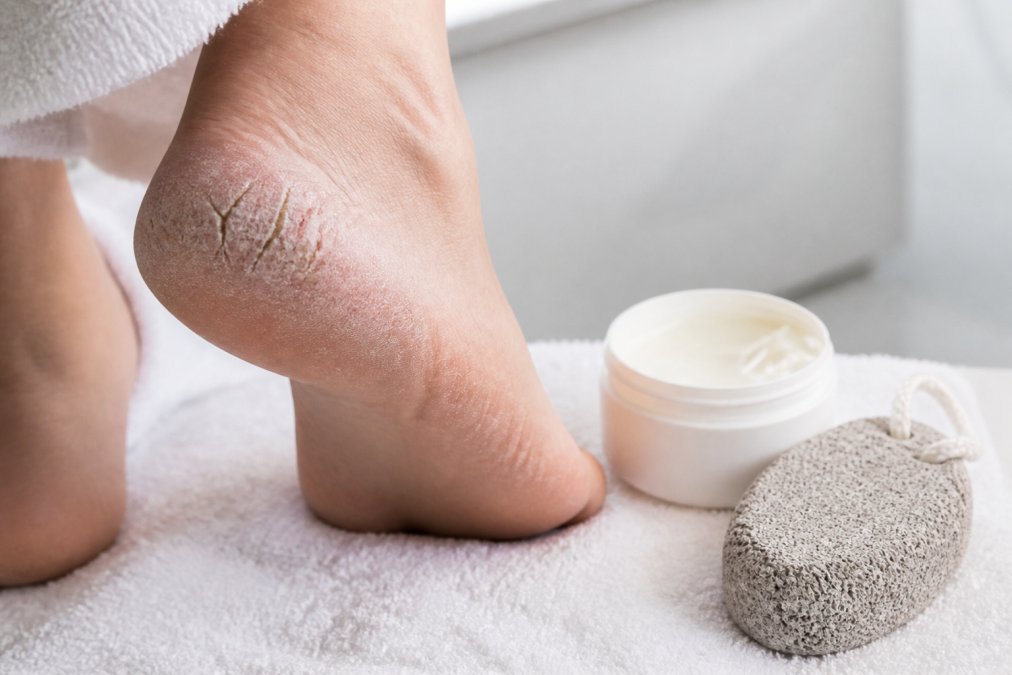
The biggest mistake people make is treating cracked heels as a surface problem. Thick, hard skin on the heel blocks most creams from reaching the dermal layer underneath, so a thin lotion sits on top and does nothing. This is why so many people buy product after product with no result.
The fix is a two-part approach: soften and thin the hard layer, then seal in hydration so it can actually rebuild.
Best Foot Care for Cracked Heels: Quick Comparison
The best foot care for cracked heels pairs a keratolytic ingredient that breaks down dead skin cells with an occlusive that holds moisture in. One without the other rarely works for long.
| Product | Key Ingredients | Best For | Price |
|---|---|---|---|
| O'Keeffe's Healthy Feet Foot Cream (3-pack) | Concentrated moisturizing formula with a protective barrier | Severe, deep cracks and very rough heels | $55.95 |
| Tea Tree Foot Cream | Tea tree, aloe vera, mint | Daily maintenance and post-shower freshness | $45.95 |
| Organic Castor Oil | Cold-pressed, hexane-free castor oil | Natural sealing for dry, split skin | $65.95 |
1. O'Keeffe's Healthy Feet Foot Cream: Deep Repair for Severe Cracks
If your heels are splitting and catching on socks, start here. This cream is formulated for extremely dry, cracked feet, and its concentrated texture creates a protective layer that helps lock in moisture rather than evaporating off the surface.

Pros:
- Built specifically for extremely dry, cracked skin
- Protective layer helps hold hydration in place
- Three-pack means one for home, one for work, one for travel
Cons:
- Rich texture feels heavy if you apply too much
- Not the cream to reach for if you only want light daily moisture
2. Tea Tree Foot Cream: Cooling Relief for Daily Maintenance
Once the deep cracks have closed, this is the cream that keeps them closed. It combines tea tree, aloe vera, and mint in a rich 8 oz container, and the cooling sensation makes it a genuinely pleasant part of a daily routine.

Pros:
- Aloe vera and mint leave feet feeling cool and refreshed
- Softens and smooths rough skin with regular use
- Generous 8 oz container lasts months
Cons:
- Lighter than a repair cream, so it won't fix deep fissures alone
- The mint scent is noticeable, which some people love and others don't
3. Organic Castor Oil: A Natural Seal for Dry, Split Skin
Castor oil is the old-school answer, and it still earns its place. This cold-pressed, hexane-free version has a thick, rich texture that conditions dry areas and leaves skin feeling soft and nourished. It is also great for cuticles and other dry patches, so it pulls double duty.

Pros:
- Pure, cold-pressed, hexane-free formula
- Versatile: works on heels, cuticles, and other dry areas
- Easy to add to an existing self-care routine
Cons:
- No exfoliating action on its own
- Thick texture takes a minute to absorb
Best Ingredients for Cracked Heel Cream (and What to Avoid)
The best ingredients for cracked heel cream fall into two categories: keratolytic agents that dissolve the bonds holding dead skin cells together, and emollients and occlusives that restore the skin barrier and slow moisture loss. You want both, because softening thick callus without sealing in water just leaves the skin dry again by morning.
Ingredient safety and who should be cautious
This is the part most guides skip, and it matters most for the people whose skin is already compromised.
- Diabetes or reduced sensation in the feet: Talk to your doctor before using any keratolytic acid, urea above roughly 20 percent, or an exfoliating tool. Reduced sensation means you can injure yourself without feeling it, and an unnoticed wound on a diabetic foot is a serious problem, not a cosmetic one (What Is Diabetic Neuropathy?).
- Peripheral vascular disease or poor circulation: Heavier acids and aggressive exfoliation can slow healing. Get medical clearance first.
- Sensitive or reactive skin: Patch-test any new acid or urea product on a small area for a day or two before applying it to both heels.
- Open, bleeding, or weeping cracks: Skip acids and exfoliants entirely. These need a doctor's evaluation, not a stronger cream.
- Pregnancy: Salicylic acid at high concentrations is generally avoided; ask a clinician before using it on large areas.
How to Fix Dry Cracked Heels Fast: A 7-Day Protocol
Learning how to fix dry cracked heels fast comes down to consistency over intensity. Seven days of a simple routine beats one aggressive session every time.
for Healthy Feet Foot Cream; Guaranteed →
Podiatrist Recommended Foot Care Routine for Long-Term Prevention
A podiatrist recommended foot care routine is boring on purpose: moisturize daily, exfoliate weekly, and protect your feet from the dryness that started the problem. The difference between people whose heels stay healed and people who re-crack every few months is almost never the product, it is whether the routine survives contact with real life.
The daily baseline:
- Moisturize every night, not just when you notice cracks. Consistency beats intensity.
- Apply to slightly damp skin right after a shower, then cover with a sock so the occlusive has water to trap.
- Exfoliate once a week with a pumice stone or sanding stone, and only on softened skin after soaking.
- Wear socks that wick moisture rather than trap it. Cotton holds sweat against the skin; a moisture-wicking blend keeps the heel drier and less prone to friction splits.
- Drink enough water. Hydration starts from within, and skin that is dehydrated from the inside cracks faster.
Footwear and biomechanics, the factor most guides ignore.
-
Choose shoes with a closed, cushioned heel and a supportive sole for long days on your feet.
-
If you live in open-back shoes in warm weather, treat them as a risk factor and moisturize more, not less.
-
Standing all day on hard floors increases the load on the heel; a cushioned insole reduces the repetitive stretch that opens fissures.
-
Sudden weight gain or long stretches of standing can deepen existing cracks because the heel pad flattens and spreads further.
-
Winter: Low humidity and indoor heating pull moisture out of the skin faster than any other time of year. Many people need a heavier occlusive cream from late fall through early spring, plus socks at night.
-
Summer: Sweat and friction from sandals and bare feet create a different failure mode. The skin can feel moist on the surface while the deeper layers stay dry, and friction from open shoes opens cracks at the heel rim. Use a lighter, faster-absorbing cream during the day and a heavier one at night, and dry thoroughly between the toes to avoid the moisture that invites fungal problems.
If you have diabetes, this is not cosmetic care.
When to see a doctor.
The single most important habit is nightly moisturizing with socks. It costs two minutes and does more for cracked heels than any single product on its own, but pair it with the right shoes and a seasonal adjustment, and you stop the cracks from coming back.
Frequently Asked Questions
What vitamin deficiency causes cracked heels?
Cracked heels are most commonly linked to deficiencies in vitamin B-3 (niacin), vitamin B-2 (riboflavin), and zinc. These nutrients support skin barrier function and cell turnover. However, most cracked heels in healthy adults are caused by mechanical pressure and moisture loss, not vitamin deficiency. If you eat a balanced diet and still have deep fissures, a dermatologist can run bloodwork to rule out nutritional gaps before you add supplements.
What are the most effective ingredients in foot creams for cracked heels?
The best ingredients for cracked heel cream include urea (a keratolytic that breaks down thick dead skin), allantoin (soothes and promotes cell regeneration), glycerin (pulls water into the skin), and occlusives like petrolatum or castor oil that seal in hydration. Fragrance-free formulas are safer for compromised skin. Look for creams that combine a keratolytic with an emollient so you get both exfoliation and moisture barrier repair in one step.
How often should you apply foot cream to see results?
For moderate cracks, apply a thick layer twice daily, morning and night, and wear socks after the nighttime application to lock in moisture. Most people see visible softening within 5 to 7 days. For deep fissures, some podiatrist recommended foot care routines suggest applying cream three times daily for the first week. Consistency matters more than the specific brand. Skipping days resets your progress because the skin barrier needs repeated hydration to rebuild.
Are there natural home remedies that actually work for cracked heels?
Yes, several natural options have real evidence behind them. A 15-minute foot soak in warm water with Epsom salt softens dead skin before you exfoliate with a pumice stone. Organic castor oil is a cold-pressed, hexane-free occlusive that seals moisture into the dermal layer when applied after soaking. Aloe vera and tea tree oil offer antibacterial and soothing benefits. The key is to follow any home remedy with an occlusive layer, otherwise the water you just absorbed evaporates and leaves skin drier than before.
When should you see a doctor for cracked heels?
See a doctor if you have deep fissures that bleed, pain when walking, signs of infection (redness, warmth, pus, or swelling), or if cracks have not improved after two weeks of consistent at-home care. People with diabetes should see a podiatrist at the first sign of heel cracks, because reduced sensation and poor circulation make minor fissures dangerous. A podiatrist can debride thick callus safely and prescribe a higher-concentration urea or salicylic acid cream if over-the-counter options stall.