

Best Eye Masks That Stay in Place: 2026 Guide
Table of Contents
- Why Most Eye Masks Slide Off (And What Actually Works)
- Quick Comparison: Top Eye Masks That Stay Put
- How to Prep Skin for Eye Masks (The Step Most People Skip)
- How Long to Leave on Eye Masks for Maximum Serum Absorption
- How to Reduce Under Eye Puffiness with the Right Mask
- Adhesion Science: Why Upright Application Changes Everything
- Troubleshooting Non-Stick Patches: Fixes for Slippage
- Sustainability and Waste: Reusable vs. Single-Use Options
- Frequently Asked Questions
Last Updated: September 25, 2026
Why Most Eye Masks Slide Off (And What Actually Works)
Most eye masks slide off because the skin under your eyes carries almost no natural oil or texture for a patch to grip, so any mask that relies on weight or moisture alone will drift the moment you tilt your head. The fix isn't a stronger adhesive. It's matching the patch material to your skin prep and your posture.
This guide from Sourir covers what actually holds a patch in place, which materials grip best, and how to prep skin so your eye masks stay put through a full morning routine.
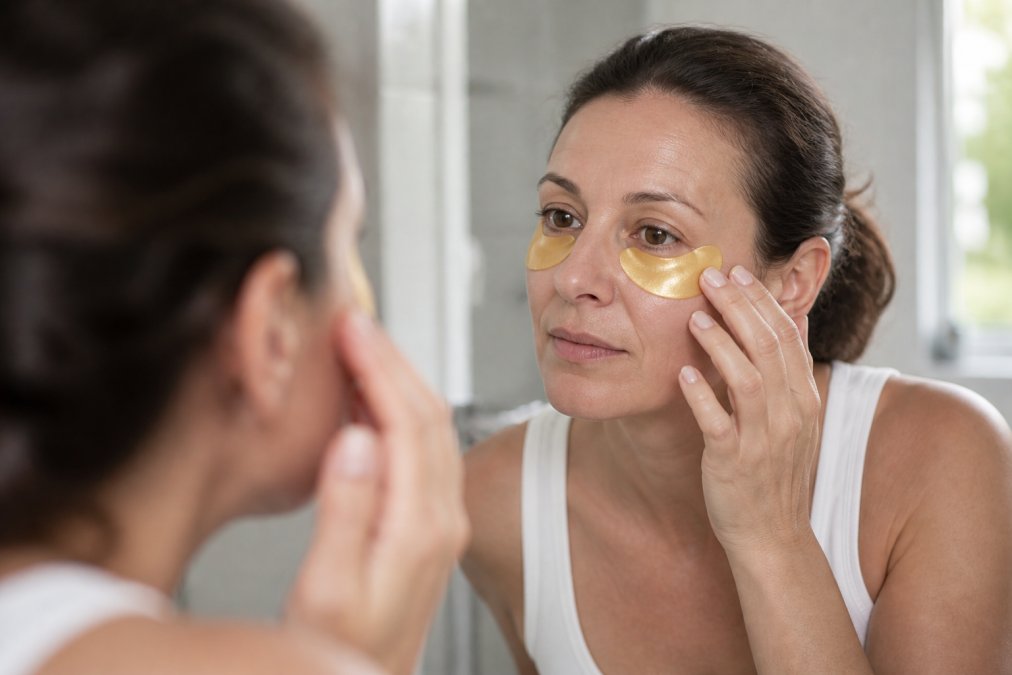
Here's the part most guides skip: the under-eye area is one of the thinnest regions on the face, and it moves constantly when you talk, blink, or smile. A patch that feels secure when you apply it lying down can peel free within minutes once you sit up.
Three things decide whether a patch stays:
- Material tackiness when the patch is wet versus dry
- Surface prep, meaning how clean and dry the skin is
- Application angle, since gravity pulls a loose patch downward
Get those three right and most slippage problems disappear.
Quick Comparison: Top Eye Masks That Stay Put
The best eye masks that stay in place combine a flexible backing, a serum that turns tacky on contact, and a shape that hugs the eye contour. Here's how the main options compare.
| Type | Grip Level | Best For | Reusable |
|---|---|---|---|
| Hydrogel patches | High when prepped | Depuffing, serum delivery | No |
| Fabric-backed patches | Medium | Sensitive skin, daily use | No |
| Silicone masks | High | Reusable routines | Yes |
| Gold hydrogel patches | High | Brightening, firming look | No |
Sourir 24K Gold Eye Patches: Best for All-Day Adhesion
Our top pick for staying power is Sourir 24K Gold Eye Patches. The soft, cooling design moisturizes the delicate under-eye area while helping reduce the appearance of puffiness, dark circles, dryness, and fine lines. Each set includes 10 pairs in individually sealed packages, priced at $25.95.
What makes them hold: the hydrogel backing conforms to the eye contour instead of sitting on top of it, and the cooling effect keeps the patch tacky long enough to finish your routine.
Hydrogel vs. Fabric-Backed: Which Material Grips Better?
Hydrogel grips better than fabric-backed material in almost every case, because hydrogel is an occlusive layer that softens with your skin's warmth and creates a light suction seal. Fabric-backed patches rely on a serum coating, which absorbs fast and leaves the patch dry and loose.
American Academy of Dermatology guidance on under-eye skin care
How to Prep Skin for Eye Masks (The Step Most People Skip)
Prepping skin for eye masks takes about 60 seconds and matters more than the patch you buy. Cleanse, tone, and let the skin dry completely before applying anything.
- Cleanse with a gentle, fragrance-free wash
- Skip heavy creams directly under the eye
- Let skin air-dry for 30 seconds
- Apply the patch to dry, bare skin
How Long to Leave on Eye Masks for Maximum Serum Absorption
Leave eye masks on for 15 to 20 minutes. That window is long enough for serum absorption and short enough to avoid the patch drying out and pulling at the skin.
How to Reduce Under Eye Puffiness with the Right Mask
Reducing under-eye puffiness comes down to cooling and consistent use, not stronger ingredients. A chilled patch constricts the area and calms the look of swelling faster than a room-temperature one.
What's actually happening under the skin
Under-eye puffiness is mostly fluid pooling in the thin tissue below the eye, plus the look of a weakened support structure as skin ages. Two things move the needle:
- Cold constricts surface blood vessels, which reduces the look of pooled fluid and swelling. This is why a chilled patch visibly depuffs within the first few minutes.
- Occlusion holds moisture against the skin so the surface looks smoother and less crepey, which makes the area read as less puffy even after the cold fades.
Temperature: how cold is actually useful
A common mistake is freezing patches. Ice-cold hydrogel becomes stiff, doesn't conform to the contour, and grips poorly. The sweet spot is refrigerator-cold, roughly 40°F, not freezer-cold.
Ingredients that target puffiness vs. dark circles vs. fine lines
Match the formula to the concern, because no single ingredient does all three:
| Concern | Ingredients to look for | What they do |
|---|---|---|
| Puffiness | Caffeine, green tea extract, cooling gels | Temporarily constrict and calm the look of swelling |
| Dark circles | Niacinamide, vitamin C, licorice root | Support a more even-looking tone over repeated use |
| Fine lines | Peptides, collagen, hyaluronic acid | Support the look of elasticity and plumpness |
| Dryness | Glycerin, hyaluronic acid, squalane | Hold moisture at the surface |
Lifestyle factors that make patches work better
A patch can only do so much if the cause of puffiness is ongoing. The biggest contributors are:
- Sodium, a high-salt meal the night before shows up under the eyes the next morning
- Sleep position, sleeping flat lets fluid pool under the eyes; a slightly elevated pillow helps
- Alcohol, dehydrates and dilates vessels, which makes puffiness look worse
- Allergies, chronic congestion and rubbing both worsen the under-eye area
A realistic expectation for results
A chilled patch will visibly reduce the look of puffiness for a few hours. Dark circles and fine lines respond to repeated use over weeks, not a single session. If a product promises permanent results from one application, that claim doesn't match how the ingredients work.
Adhesion Science: Why Upright Application Changes Everything
Upright application changes everything because gravity is the single biggest force working against a patch. Applied while lying down, a mask sits flat; the moment you stand, it starts to slide.
FDA guidance on cosmetic product claims and labeling
Troubleshooting Non-Stick Patches: Fixes for Slippage
Non-stick patches usually fail for one of four reasons, and each has a simple fix.
| Problem | Likely Cause | Fix |
|---|---|---|
| Slides down within minutes | Skin too oily | Cleanse and dry fully |
| Lifts at the edges | Trapped air | Press from inner corner out |
| Won't stick at all | Moisturizer underneath | Apply to bare skin |
| Dries and peels early | Left on too long | Remove at 15-20 minutes |
Sustainability and Waste: Reusable vs. Single-Use Options
Reusable silicone masks cut waste sharply, but they don't deliver serum the way a hydrogel patch does. Silicone holds moisture against the skin and can be rinsed and reused for months, which makes it the better pick if waste is your main concern.
Frequently Asked Questions
What are some eye masks that don't fall off?
Hydrogel eye masks with a textured or silicone-backed layer tend to grip better than thin fabric ones. The Sourir 24K Gold Eye Patches use a soft, cooling design that adheres well when applied to clean, dry skin. Avoid applying over heavy creams or serums, which create a barrier that prevents adhesion. Patches with a slightly tacky surface and a contoured shape that follows the eye contour stay in place best during upright activities like reading or working at a desk.
How to get eye masks to stay in place?
Start with clean, dry skin. Use a gentle cleanser, then skip moisturizer or use a lightweight, fast-absorbing formula. If your skin is oily, swipe a cotton pad with alcohol-free toner over the under-eye area. Apply the mask while looking down or lying flat, then press gently for 10 seconds. Avoid touching the edges after application. For extra hold during multitasking, choose a hydrogel mask with a fabric-backed layer, which adds structure without bulk.
Which eye mask stays on all night?
No eye mask is designed for overnight wear unless labeled as such. Most hydrogel and fabric masks are intended for 15-30 minutes. Leaving them on longer can cause reverse osmosis, where the mask pulls moisture from your skin instead of delivering it. For overnight hydration, use a thick eye cream or a silicone patch designed for sleep. If you want a mask that stays put during a long evening wind-down, choose a reusable silicone option that creates a gentle seal.
Do hydrogel eye masks stay on better than fabric ones?
Yes, hydrogel masks generally stay on better because their gel-like texture creates a slight tackiness that grips the skin. Fabric-backed masks can also work well if they have a hydrogel or silicone layer. The key is the backing material: a non-slip silicone or fabric-backed design prevents the mask from sliding. Fabric-only masks without a gel layer tend to lift at the edges, especially if you move around. For best results, prep skin properly and avoid excessive facial movement for the first few minutes after applying.
Most people blame the patch when it slides, but the real culprit is usually prep and posture. Sourir makes this easy with 24K gold eye patches designed to conform to the eye contour, plus quick shipping and affordable pricing so building a routine doesn't cost much. The patches moisturize the under-eye area, help reduce the look of puffiness and dark circles, and fit into a morning routine in under 20 minutes. Continue shopping at Sourir and give your eyes the golden treatment they deserve.