

How to Use Face Primer for a Flawless Makeup Look
Last Updated: November 20, 2026
Quick Summary
To use face primer for a flawless makeup look, start with clean, moisturized skin, then apply a pea-sized amount to your forehead, nose, cheeks, and chin and blend outward from the center of the face. Wait until moisturizer is fully absorbed before priming, and follow with foundation, then concealer.
- A pea-sized amount of primer covers the whole face, and using more is the most common mistake.
- Wait until moisturizer is fully absorbed before applying primer to avoid balling up.
- The correct order is skincare, primer, foundation, then concealer, with setting powder only where you shine.
- Apply primer alone, under tinted moisturizer, or under blush and highlighter only for a quick five-minute face.
- Double cleanse at night with a cleansing balm or oil, then a gentle water-based cleanser, to remove primer fully.
Table of Contents
- What Face Primer Actually Does for Your Makeup
- How to Apply Primer on Face Step by Step
- How to Apply Face Primer After Moisturizer
- How to Apply Primer, Foundation and Concealer in the Right Order
- How to Apply Primer Without Foundation
- Matching Primer Formulas to Your Skin Type and Skin Concerns
- Troubleshooting Common Primer Application Problems
- Primer Hygiene, Sensitive Skin, and End-of-Day Removal
- Frequently Asked Questions
What Face Primer Actually Does for Your Makeup
Face primer is a gel, cream, or lotion you apply before foundation to create a smoother base and help makeup grip. It fills the look of pores, softens fine lines, and adds a layer of hydration so foundation glides on instead of sinking into dry patches.
That layer matters more than most people think. A good primer can help makeup look smooth through a busy day. It also protects your skin prep, so the moisturizer underneath stays where it belongs.
At Sourir, we keep the routine simple: prep, prime, then build. Our hydrating and grip face primer is a lightweight gel designed to help hydrate your skin and give foundation something to hold onto.
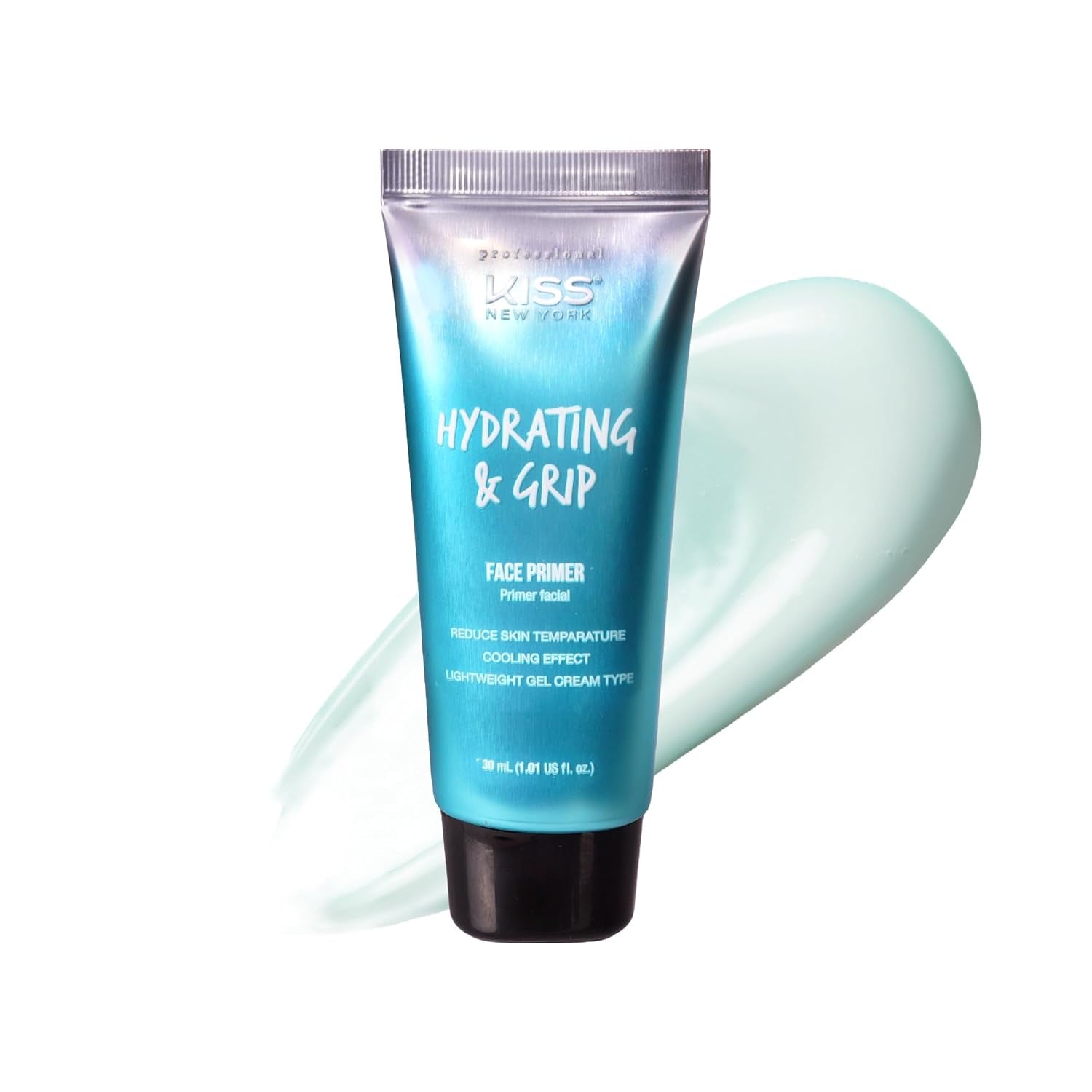
Watch out: primer is not a substitute for moisturizer. Skip that step and the primer sits on dry skin, which makes foundation look patchy by lunchtime.
How to Apply Primer on Face Step by Step
Start with clean, moisturized skin, then apply primer in five short steps.
- Wash your face and pat it dry.
- Apply moisturizer and wait until it is fully absorbed.
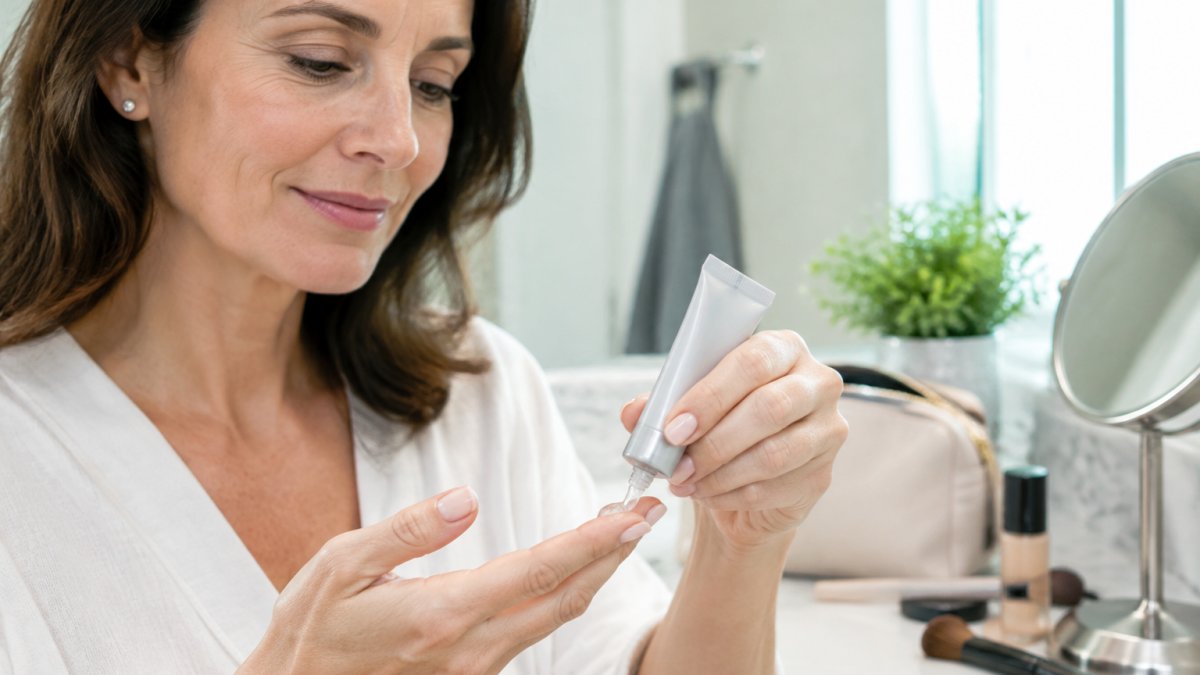
- Squeeze a pea-sized amount of primer onto your fingertips.
- Dot it on your forehead, nose, cheeks, and chin.
- Blend outward from the center of the face, then press gently to set.
How Much Primer to Use and Where to Put It
A pea-sized amount covers the whole face. That is less than most people expect, and using more is the most common mistake we hear about. If you can see a visible film after blending, you used too much.
Placement matters as much as amount:
- Center of the face: forehead, nose, and inner cheeks, where pores and shine show most
- Under the eyes: a thin tap, never a full layer
- Areas where makeup wears off: around the mouth and chin
- Neck: blend the leftover downward so the tones match
Skip the heavy layer on the outer cheeks and jaw. Too much product there pills up under foundation.
Fingers, Brush, or Sponge: Which Tool Blends Best
Fingertips are a practical way to apply a gel primer, and you can feel where it has fully absorbed. A makeup brush gives a more even, airy layer and suits cream formulas. A damp makeup sponge can press primer in without dragging. Pick one and stay consistent.
How to Apply Face Primer After Moisturizer
Wait until your moisturizer is fully absorbed before you apply face primer. The skin should feel soft and dry to the touch, not tacky.
Here is the simple test: press a fingertip to your cheek. If it slides, the moisturizer needs more time. If it grips lightly, you are ready to prime.
Rushing this step can cause primer to ball up over wet moisturizer.
If your skin runs dry and tight even after moisturizing, a deeper routine helps. Our guide on how to fix dry skin quickly covers the steps that make primer sit better.
How to Apply Primer, Foundation and Concealer in the Right Order
The correct makeup order is skincare, primer, foundation, then concealer. Each layer builds on the one below, so the sequence decides how the finished look wears.
- Skincare: cleanser, moisturizer, sunscreen
- Primer: a thin layer, fully blended
- Foundation: start at the center and work out
- Concealer: tap on after foundation, not before
- Setting powder: only where you shine
Concealer goes last because foundation already evens most of the face.
This order fits into a wider daily rhythm. Our daily self care routine for women shows how primer slots into a simple morning sequence.
How to Apply Primer Without Foundation
Primer works on its own when you want a bare-skin day. Apply a thin layer, let it set for a minute, and the skin looks smoother with a soft, fresh finish.
Skip foundation and you can still enjoy a smoother-looking base with a light grip for blush or tinted moisturizer.
Three ways to wear primer alone:
- On its own for a no-makeup look with a little polish
- Under tinted moisturizer when you want light coverage
- Under blush and highlighter only for a quick five-minute face
Matching Primer Formulas to Your Skin Type and Skin Concerns
The right primer formula depends on your skin type. Gel, cream, and blurring formulas each suit different needs.
| Skin Type or Concern | Primer Formula | Why It Works |
|---|---|---|
| Oily skin | Gel or mattifying | Controls shine without heaviness |
| Dry skin | Hydrating gel or cream | Adds moisture so makeup sits smooth |
| Combination skin | Lightweight gel | Balances the T-zone and cheeks |
| Visible pores | Blurring | Softens texture before foundation |
| Fine lines | Hydrating | Plumps the look of dry lines |
One more match to check: your foundation. To test compatibility, apply a small amount of each to your jawline, wait five minutes, and check for pilling or a slippery film. If the primer feels slick and the foundation beads up, the bases are fighting each other.
Troubleshooting Common Primer Application Problems
Most primer problems come down to amount, timing, or pairing. Here is how to fix the ones we hear about most.
- Pilling or rolling: too much product, or moisturizer not fully absorbed. Use less and wait longer.
- Foundation sliding off: primer and foundation bases do not match. Switch one to match the other.
- Patchy dry spots: skin needs more hydration before priming. Add a richer moisturizer at night.
- Extra shine by noon: switch to a gel formula and skip the outer cheeks.
- Breakouts after priming: clean your tools weekly and remove primer fully at night.
Primer Hygiene, Sensitive Skin, and End-of-Day Removal
Primer sits closest to your skin, so keep it clean. Wash your hands before applying, clean brushes and sponges weekly, and never share a tube.
Removal matters as much as application. Primer can trap makeup and oil, so double cleanse at night: a cleansing balm or oil first, then a gentle water-based cleanser. Follow with moisturizer.
Store primer away from direct sun and check the label for a use-by period after opening. An old tube with a changed smell or texture belongs in the trash.
Building a base that lasts all day comes down to a few small habits: wait for moisturizer to absorb, use a pea-sized amount, and blend from the center out. Sourir makes that step easy with our hydrating and grip face primer, a lightweight gel with a cooling feel that preps skin for makeup and helps it hold. It is affordable, ships quickly, and fits into any everyday makeup routine. Get started with Sourir and give your foundation a smoother base to sit on.
Frequently Asked Questions
Do you rub primer all over your face?
You can, but most people get better results by focusing on the areas where makeup wears off first. Apply a pea-sized amount to the center of the face, then blend outward across the cheeks, forehead, and chin, and finish with a light pass over the neck. Avoid dragging the product around the eyes, where the skin is thinner.
Should you apply face primer before or after moisturizer?
Primer goes after moisturizer, never before. Cleanse, apply moisturizer, and let it fully absorb for a few minutes before priming. If you layer primer over moisturizer that is still wet, the two can pill or slide. A good test is to touch your cheek: if it feels tacky, wait another minute. Once the moisturizer has sunk in, a face primer creates a smoother base for everything that follows.
Can you use face primer without foundation?
Yes. Primer works on its own if you want a smoother-looking base without full coverage. Apply a small amount to hydrate and blur the look of pores and fine lines, then follow with concealer only where you need it, such as under the eyes or on redness. A hydrating, gripping formula with a lightweight gel texture is a practical choice for this.
Can you use too much makeup primer?
You can, and it is one of the most common application mistakes. More than a pea-sized amount can feel slippery. Start small and add only where needed. If your makeup starts pilling within an hour, the usual cause is too much primer, too much moisturizer underneath, or rubbing instead of pressing the product into the skin.
