

Best Self-Care Activities for Stress Relief at Home
Table of Contents
- Best Self-Care Activities for Stress Relief at Home
- Why At-Home Self-Care Matters for Mental Health
- Physical Movement and Stretching
- Mindfulness, Deep Breathing, and Meditation
- Journaling and Expressive Writing
- Nourishing Your Body: Hydration and Healthy Eating
- Sleep Hygiene and Restorative Rest
- Building a Daily Self-Care Routine for Women
- Affordable Self-Care Products for Home Wellness
- Frequently Asked Questions
Last Updated: October 2, 2026
Best Self-Care Activities for Stress Relief at Home
Stress doesn't wait for the perfect moment to strike, and neither should your response to it. The best self care activities for stress relief at home are the ones you'll actually use, simple practices that fit into your life without requiring a spa membership or hours of free time. At Sourir, we understand that meaningful self-care happens in the spaces where you already spend your day: your bedroom, bathroom, kitchen, and living room.
This guide covers practical, affordable strategies to build a sustainable self-care routine that addresses both mental and physical well-being. Whether you're managing work pressure, family demands, or just the accumulated weight of daily life, these activities create immediate relief and lasting resilience. Below, we'll walk you through everything from breathing techniques to creative hobbies, plus the products that make each practice more effective.
Why At-Home Self-Care Matters for Mental Health
Self-care at home is not indulgent, it's protective. When stress accumulates without relief, your body stays in a heightened state of alert, which affects sleep, immunity, focus, and emotional regulation. Regular self-care interrupts that cycle.
The advantage of at-home practices is accessibility. You don't need to schedule appointments, travel, or spend significant money. A 10-minute breathing session before bed costs nothing. A warm bath with a foot soak takes 20 minutes. These micro-practices, done consistently, build resilience and prevent burnout before it takes hold.
Mental health professionals recognize that self-care strengthens your ability to handle stress, a concept called emotional regulation. When you practice mindfulness, move your body, or engage in creative expression regularly, you're literally training your nervous system to recover faster from stress. This is why daily self-care routines work better than occasional splurges.
Physical Movement and Stretching
Movement is one of the most direct ways to release physical tension and lower cortisol, your body's primary stress hormone. You don't need a gym membership or complex workouts. Simple stretching, yoga, or walking at home delivers measurable relief.
Gentle stretching targets areas where stress accumulates: your neck, shoulders, lower back, and jaw. A 5-minute stretching routine in the morning or evening reduces muscle tension and improves blood flow. Focus on slow, deliberate movements rather than bouncing or forcing range of motion. Hold each stretch for 20-30 seconds and breathe deeply.
Yoga combines movement with mindfulness, making it especially effective for stress management. Even 15 minutes of beginner-level yoga, child's pose, downward dog, cat-cow stretches, activates your parasympathetic nervous system, the part responsible for relaxation. Many free YouTube videos offer guided sessions for every fitness level.
Walking, even indoors, counts as movement. A 10-minute walk around your home or neighborhood increases oxygen flow, clears mental clutter, and provides a natural mood boost. The rhythm of walking itself has a calming effect.
| Activity | Duration | Frequency | Best For |
|---|---|---|---|
| Gentle stretching | 5-10 minutes | Daily | Releasing muscle tension |
| Yoga flow | 15-30 minutes | 3-4x weekly | Mind-body connection |
| Walking | 10-20 minutes | Daily | Mental clarity and mood |
| Foam rolling | 5-10 minutes | 3-4x weekly | Deep muscle release |
Mindfulness, Deep Breathing, and Meditation
Deep breathing is your fastest tool for stress relief. When you're stressed, your breathing becomes shallow and rapid, signaling danger to your nervous system. Intentional breathing reverses that signal.
The 4-7-8 technique is simple and effective: breathe in for 4 counts, hold for 7, exhale for 8. Do this five times before bed or during a stressful moment. The extended exhale activates your parasympathetic nervous system, triggering relaxation. You can do this anywhere, at your desk, in bed, during a break.
Meditation doesn't require clearing your mind or sitting perfectly still. Mindfulness meditation means noticing your thoughts without judgment and gently returning focus to your breath. Start with 5 minutes. Sit comfortably, close your eyes, and count your breaths: inhale (1), exhale (2), up to 10, then restart. When your mind wanders, and it will, simply return to the count.
Grounding exercises anchor you to the present moment when anxiety spirals. The 5-4-3-2-1 technique works: name 5 things you see, 4 you can touch, 3 you hear, 2 you smell, 1 you taste. This sensory reset pulls you out of stress and into the here-and-now.
Consistency matters more than duration. Ten minutes of daily meditation builds greater resilience than sporadic longer sessions. Your brain adapts to regular practice, making stress recovery faster over time.
Journaling and Expressive Writing
Writing about stress doesn't just feel good, it reorganizes how your brain processes difficult emotions. Expressive writing reduces anxiety, improves sleep, and strengthens immune function.
Stream-of-consciousness journaling requires no structure. Set a timer for 10-15 minutes and write whatever comes to mind: worries, frustrations, plans, gratitude. Don't edit or worry about grammar. The act of moving thoughts from your mind to paper creates distance and clarity.
Sourir Silicone Scalp Massage & Shampoo Brush →
Gratitude journaling redirects your brain toward what's working. Each evening, write three specific things you're grateful for and why. This isn't toxic positivity, it's retraining your brain's threat-detection system, which naturally defaults to noticing problems. Over time, gratitude journaling shifts your baseline toward resilience.
Prompt-based journaling provides structure when you're stuck. Use questions like: "What stressed me today and why?" or "What's one small win I had?" or "What do I need right now?" Writing answers reveals patterns and clarifies what you actually need to address.
Expressive writing works best when it's private. You're not writing for an audience, so permission to be messy, angry, or confused is essential. Keep your journal in a drawer, not on your phone where others might see it.
Nourishing Your Body: Hydration and Healthy Eating
Stress depletes your body's resources. Proper hydration and nutrition replenish them.
Dehydration amplifies anxiety and fatigue. Aim for at least 8 glasses of water daily, more if you exercise. Herbal teas, chamomile, passionflower, lemon balm, provide hydration plus calming compounds.
Sleep Hygiene and Restorative Rest
Sleep is where your body repairs stress damage. Poor sleep amplifies stress; good sleep builds resilience. Sleep hygiene means creating conditions where rest happens naturally.
Building a Daily Self-Care Routine for Women
A sustainable self-care routine doesn't require hours. It requires intention and consistency. The best self care activities for stress relief at home are the ones that fit your actual life, not an idealized version of it.
Affordable Self-Care Products for Home Wellness
Quality self-care products enhance your practices without breaking the budget. Sourir offers affordable options that make at-home routines more effective and enjoyable.
Eye Care and Facial Treatments
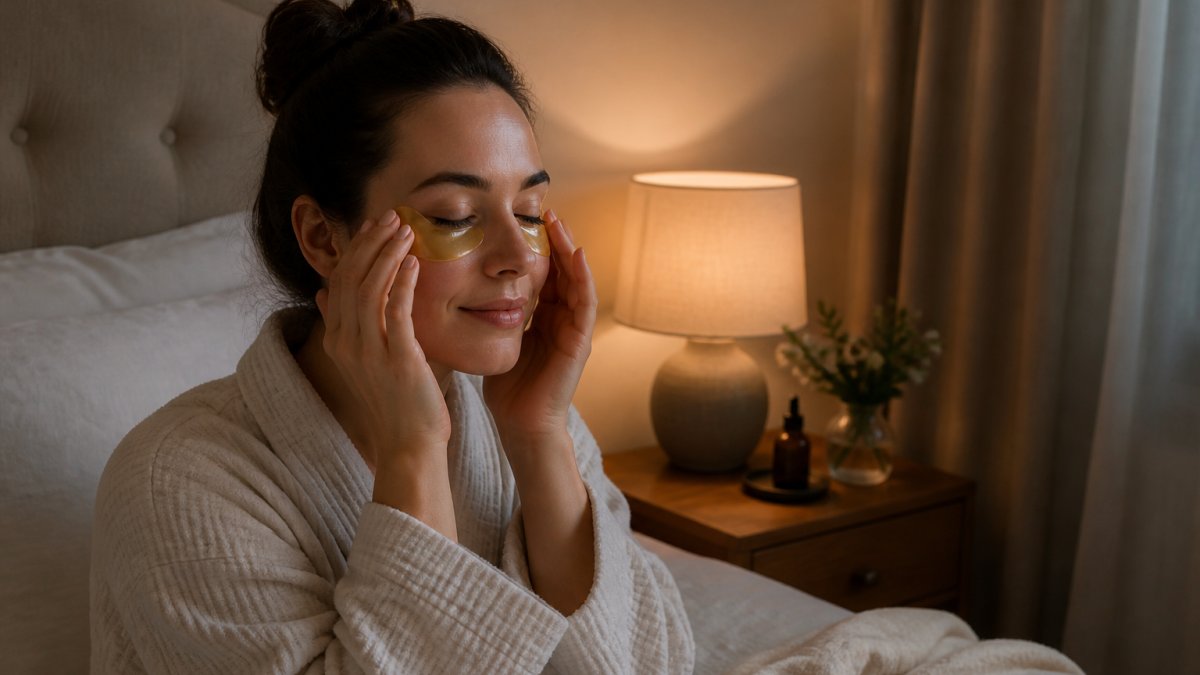
Dark circles and puffy eyes signal stress and poor sleep. The Sourir 24K Gold Eye Patches deliver hydration and brightening in 10-15 minutes. Use them during your morning routine or evening wind-down. At $25.95 for 10 pairs, they're an affordable luxury that makes self-care feel special.

Foot Care and Physical Comfort
Your feet carry you through stress. Caring for them is self-care. The Tea Tree Foot Cream combines moisture with cooling relief. Infused with tea tree, aloe vera, and mint, it softens rough skin while the refreshing sensation provides immediate comfort. Use it after a warm bath or before bed. At $45.95 for an 8 oz container, it lasts months.

Scalp Massage and Hair Care Rituals
Scalp tension mirrors mental stress. The Sourir Silicone Scalp Massage & Shampoo Brush transforms your shower into a spa experience. Its soft silicone bristles massage your scalp while distributing shampoo. Use gentle circular motions for 2-3 minutes. At $15.95, it's the most affordable upgrade to your daily routine. This simple tool turns an ordinary wash into a stress-relieving ritual.

Mood Support for Mental Wellness
Mental wellness is the foundation of stress relief. The Dopamine Wellness Patches provide convenient daily support. Apply one patch and continue your day. With 30 patches per pack at $30.94, they're an easy addition to your self-care routine. They complement the practices above, breathing, movement, journaling, by supporting your neurochemistry.
Frequently Asked Questions
What are some low-cost self-care activities for stress relief I can do at home?
Many powerful stress-relief activities cost nothing. Deep breathing exercises, stretching, journaling, and meditation require only a few minutes and your attention. You can also create a calming environment by opening windows for fresh air, playing soft music, or organizing a small corner for relaxation. For affordable products that enhance these routines, items like the Sourir Silicone Scalp Massage & Shampoo Brush ($15.95) turn everyday hygiene into a therapeutic ritual, and the Dopamine Wellness Patches ($30.94) support mood balance during stressful periods.
How do I start a self-care routine when I'm busy?
Begin with micro-habits: five-minute activities you can fit into your existing schedule. Apply eye patches while reading, do a two-minute breathing exercise before work, or use a scalp massager during your shower. The key is consistency over duration. Pick one activity that resonates with you, practice it for one week, then add another. Most busy professionals find that even 10 minutes of daily self-care significantly reduces stress and improves resilience. Track what you do and how you feel to identify which activities deliver the most relief for your lifestyle.
What are the main components of a good self-care plan?
A well-rounded self-care plan includes physical movement, stress management through breathing or meditation, creative or expressive outlets like journaling, proper nutrition and hydration, quality sleep, and social connection. Mental health experts also emphasize sensory-based relief (grounding exercises, massage) and digital boundaries to reduce overwhelm. For at-home wellness, adding targeted products like foot cream or eye treatments creates touchpoints throughout your day that reinforce self-compassion and signal to your mind that your well-being matters. The goal is balance across multiple wellness dimensions, not perfection in any single area.
Can affordable self-care products really make a difference in stress relief?
Yes. Affordable self-care products work by creating ritual and sensory comfort. When you use a cooling eye mask or massage your scalp with intention, you're signaling to your nervous system that it's safe to slow down. The Sourir 24K Gold Eye Patches ($25.95) and Collagen Eye Cream ($25.95) hydrate tired skin while the ritual of application itself becomes a grounding moment. Similarly, foot cream like the Tea Tree Foot Cream ($45.95) transforms a quick self-care act into a moment of relief and self-compassion. The product quality matters, but the consistency of use and the intentionality you bring matter more for stress reduction.